


Diyar e Ishq season 2 Shahre Khamosiyaa by Qanita Khadija
Written by: Qanita Khadija
Genre: Political Crime Fiction
Published: 08/04/2026
41 Views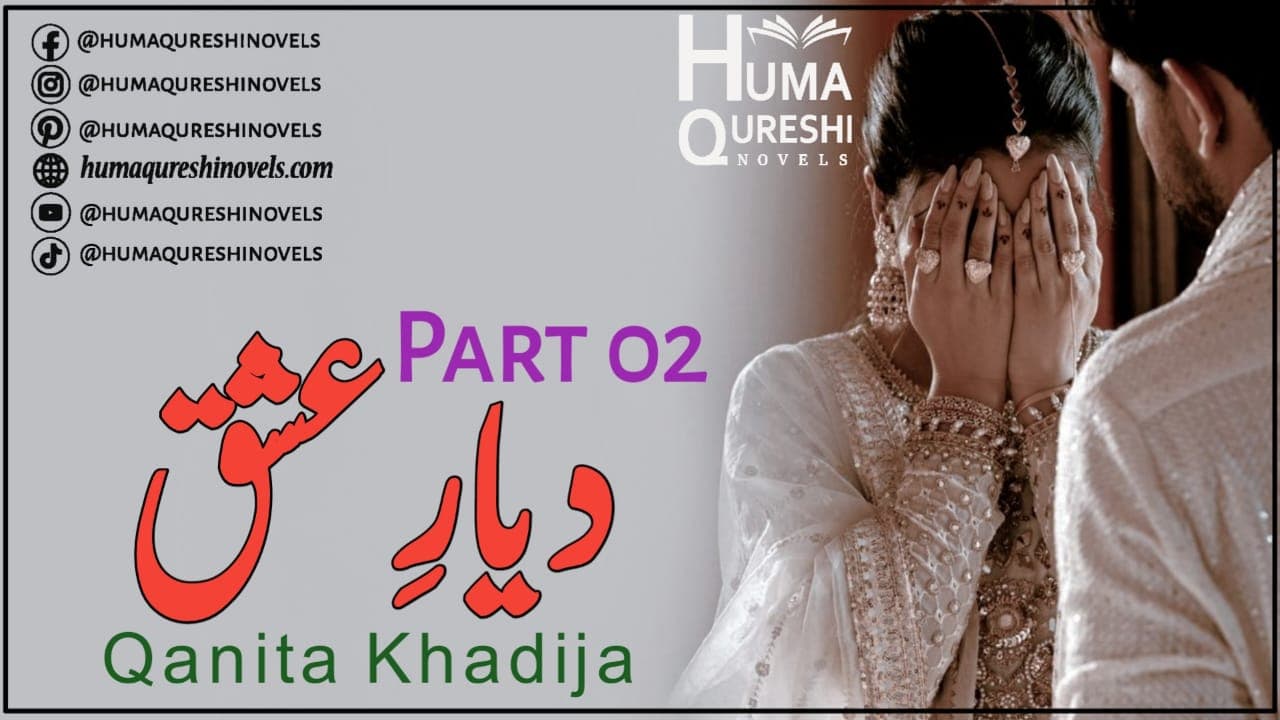
Summary
This summary presents an analytical overview of Diyar-e-Ishq, the sequel to the novel Shehr-e-Khamoshiyaa. While the first part explored the lives of a previous generation entangled in silence, pain, and hidden truths, this second part shifts its focus to the next generation—the children of those very characters. Set within the same dark and dangerous gangster world, Diyar-e-Ishq expands the narrative by introducing new conflicts, deeper emotional layers, and evolving relationships shaped by love, hatred, and revenge.
The novel retains its multi-couple structure, allowing for a diverse exploration of relationships. However, unlike the first part, the characters in this sequel inherit not only the legacy of power and influence but also the emotional burdens and unresolved conflicts of their parents. This generational shift becomes a central theme, as the younger characters struggle to define their identities while being overshadowed by the past.
At the heart of the story is a new male protagonist, the son of a powerful figure from Shehr-e-Khamoshiyan. He embodies the traits of a typical gangster heir—fearless, dominant, and emotionally guarded. However, his personality is further complicated by the trauma and stories he has grown up hearing. His life is driven by a strong sense of revenge, as he seeks to settle scores left unfinished by the previous generation. This desire for انتقام shapes his decisions and relationships, often pushing him toward darkness.
The female protagonist connected to him is equally strong and complex. She is not merely a romantic interest but a character with her own motivations and struggles. Their relationship is intense, marked by a blend of attraction, conflict, and emotional tension. Love and hatred coexist in their bond, creating a dynamic that is both unpredictable and deeply engaging. Their journey reflects the idea that emotions are rarely simple, especially in a world where trust is fragile and betrayal is common.
The novel introduces several other couples, each contributing a unique perspective to the overall narrative. One couple represents a relationship born out of rivalry and hatred. Their initial interactions are filled with hostility, as their families are tied to opposing sides within the gangster world. However, as the story progresses, their hatred gradually transforms into an unexpected connection, highlighting the thin line between love and enmity.
Another couple offers a softer and more emotional dimension to the story. Their relationship is built on friendship and mutual understanding, providing a contrast to the more intense and violent relationships in the novel. They represent hope and emotional stability, showing that love can exist even in a world dominated by chaos and conflict.
A third couple explores themes of betrayal and revenge more deeply. Their relationship is tested by secrets from the past and the consequences of their families’ actions. This storyline emphasizes how the sins of one generation can affect the next, creating cycles of pain and resentment. Through their struggles, the novel raises questions about whether individuals are bound by their past or capable of breaking free from it.
Revenge remains a dominant theme throughout Diyar-e-Ishq. Unlike the first part, where revenge was rooted in personal loss, this sequel presents it as a legacy passed down through generations. The characters are not only seeking justice for themselves but also carrying forward the unresolved vendettas of their parents. This creates a continuous cycle of violence and conflict, making it difficult for them to escape their circumstances.
The romantic element of the novel is deeply intertwined with themes of power and vulnerability. Love is portrayed as both a strength and a weakness, capable of transforming even the most hardened individuals. However, in a world where trust is scarce, relationships are constantly tested by doubt and fear. The novel captures this tension effectively, presenting romance as a complex and evolving force.
The psychological depth of the characters adds another layer of complexity to the narrative. Many characters struggle with inner conflicts, torn between their desire for revenge and their longing for love and peace. These internal battles make the characters more relatable and human, despite the extreme environment they inhabit.
As the story progresses, the different storylines begin to intersect, leading to moments of intense conflict and emotional revelations. Alliances shift, secrets are uncovered, and relationships are tested in unexpected ways. The climax of the novel brings these elements together, forcing the characters to confront their past, their choices, and their true selves.
The resolution of Diyar-e-Ishq is both powerful and thought-provoking. It does not provide a simple or idealized ending but instead reflects the complexities of life within the gangster world. Some characters find redemption and emotional closure, while others remain trapped in the cycle of revenge and loss. The ending leaves a lasting impact, encouraging readers to reflect on the consequences of hatred and the transformative power of love.
In conclusion, Diyar-e-Ishq successfully builds upon the foundation of Shehr-e-Khamoshiyan, offering a deeper and more expansive exploration of love, revenge, and generational conflict. Through its multi-couple narrative, the novel captures the complexities of relationships within a dark and intense setting. As a journal summary, it can be observed that the sequel not only continues the story but also elevates it by introducing new dimensions of emotional and psychological depth. It ultimately conveys that while the past may shape individuals, their choices determine whether they continue the cycle of hatred or choose a different path defined by love and understanding.
Author's Note
QANITA KHADIJA